Introduction
Have you ever bought something because you thought you were saving 50%?
Or do you, too, prefer the heart clinic with a 90% survival rate over the one where 10% die?
Welcome to the club of the cheated and deceived!
But who is the deceiver? You yourself — your own mind!!
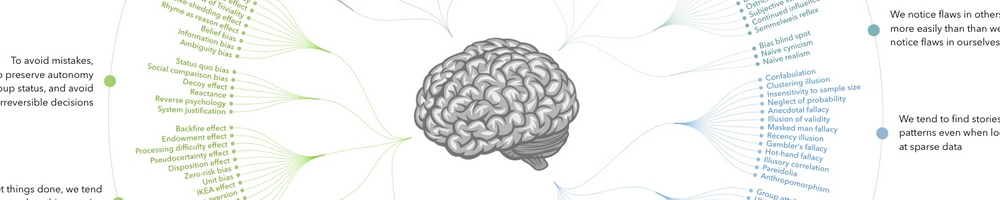
Our thinking is not as rational and objective as we often believe. Even when we strive to think logically and critically, unconscious mental processes can distort our judgments and decisions.
These systematic deviations from rationality and sound judgment are called cognitive biases, thinking errors, or perceptual errors.
In this chapter, we will explore what cognitive biases are, how they arise, and what effects they have on our thinking. We will get to know the most important of these thinking errors, examine mental heuristics (thinking shortcuts), and develop strategies to avoid these thinking traps.